
Easy as One, Two, Pee: Solving Feline Housesoiling
This session will provide an overview of factors underlying housesoiling in cats and review diagnostic and treatment plans for cats eliminating outside of the littler box.

Julia Albright
MA, DVM, DACVB
Time: 8:00 pm - 9:00 pm
Resource Guarding of Food
Food resource guarding is one of the most common—and often misunderstood—behavior concerns encountered in veterinary practice. In this practical session, attendees will learn how to recognize the early signs of food resource guarding, interpret canine body language, and confidently guide pet owners through safe, effective management strategies. The lecture will explore common contributing factors, discuss why some traditional interventions can worsen fear and aggression, and provide evidence-based recommendations for supporting both pets and their families. Participants will also gain valuable tools for educating clients, identifying when additional behavioral support is needed, and collaborating with trainers, behaviorists, and the veterinary team to improve patient welfare and long-term outcomes.
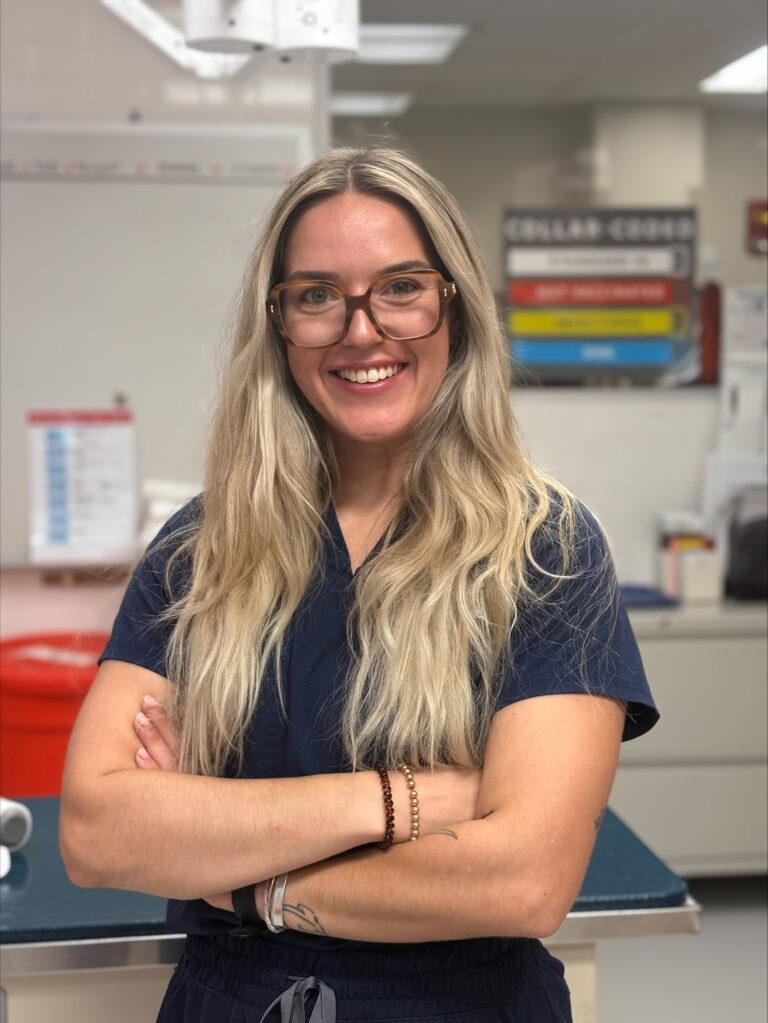
Jamie Johnson
FFCP-Elite, LSHC-Silver, HABc, CPEP
Time: 8:00 pm - 9:00 pm
Addressing the Medical Components of Behavior Cases
Behavior changes — aggression, fear, appetite shifts, changes in energy or activity level, and more — are among the most important categories of clinical signs in veterinary medicine. Sometimes they reflect a primary behavioral problem, sometimes an underlying medical one, and often both at once.
This session walks through six real, de-identified cases from the presenter’s own veterinary behavior consulting practice in which a medical finding turned out to be central to the pet’s behavior change: an undiagnosed splenic mass behind a sudden aggression case, a congenital brain malformation and seizure disorder, orthopedic pain tracking an aggression pattern, a liver shunt that reshaped a medication plan, a compulsive-looking behavior that turned out to be a seizure, and a cat whose intercat tension resolved only once her orthopedic pain was treated alongside it.
Attendees will leave with a practical, same-day-usable framework for screening every behavior complaint for medical contributors — what history to take, what red flags to watch for, and what baseline diagnostics to reach for before assuming a case is “just behavioral.” We’ll also cover specific pharmacology considerations, including drug interactions and hepatic screening, that affect medication safety in these patients. This is directly useful for veterinarians, technicians, and the whole practice team: better medical screening on behavior cases means safer medication choices, better client communication about complex or evolving diagnoses, and, in at least one case in this talk, the difference between catching a life-threatening diagnosis in time and missing it.
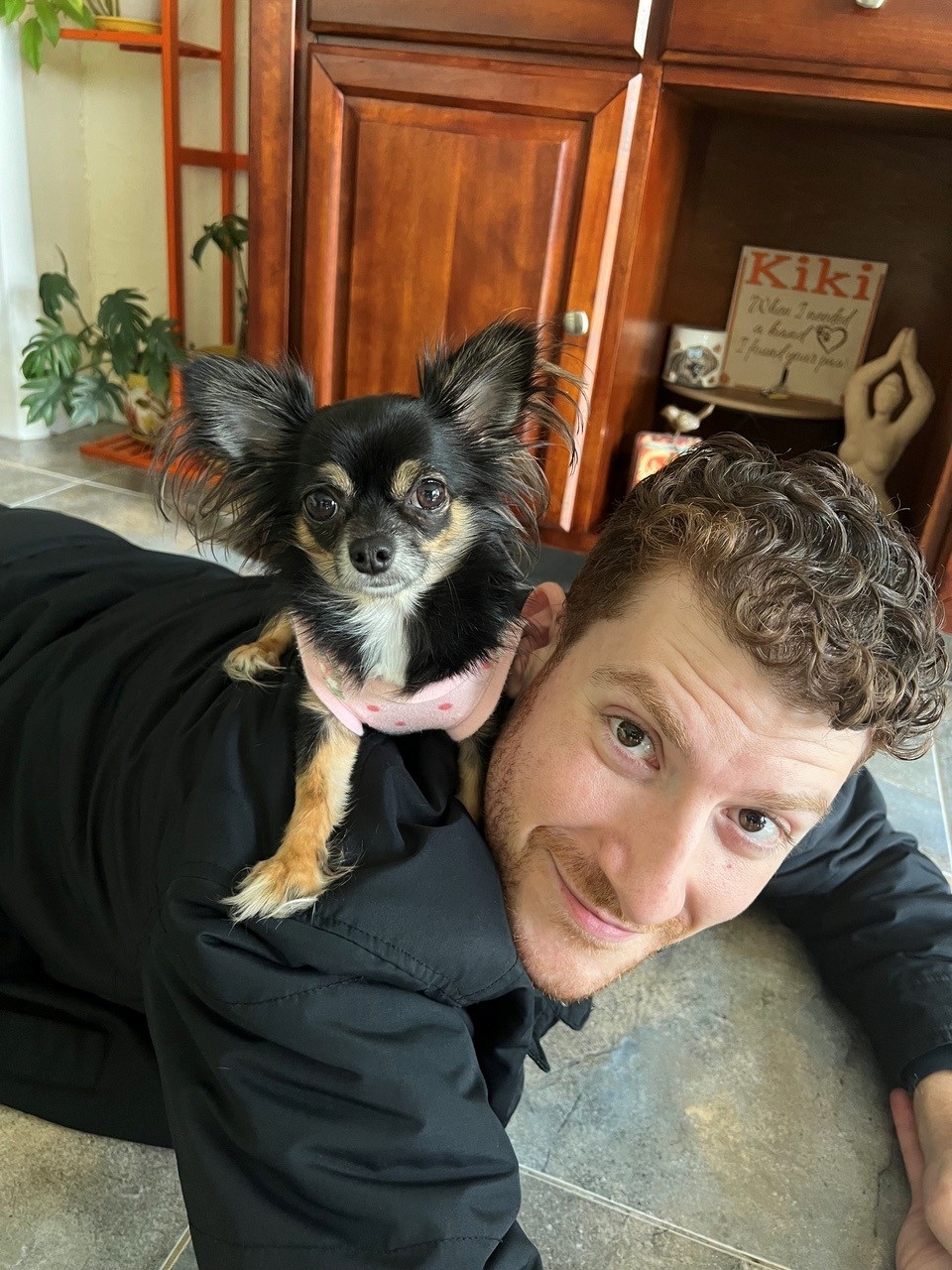
Steven Edwards
Steven Edwards, DVM, FFCP
Time: 8:00 pm - 9:00 pm

VetCE Virtual: Beyond Bad Behavior: Understanding Canine and Feline Behavior Disorders
Sep 14Sep 21Sep 28 8 pm - 9 pm ET
Agenda
Speakers
Julia Albright
MA, DVM, DACVB
Julia Albright is a Diplomate of the American College of Veterinary Behaviorists and Associate Professor at the University of Tennessee College of Veterinary Medicine. Dr. Albright obtained both a Masters degree in Experimental Psychology and DVM from The University of Tennessee before completing a residency and fellowship in Animal Behavior at Cornell University CVM. Dr. Albright’s research interests include reducing stress in animal facilities, psychopharmacology, and the human-animal bond. She lives in Knoxville, Tennessee with her husband, a fish biologist at UT, and a wide assortment of cats, dogs, horses, fish, and human children.
Jamie Johnson
FFCP-Elite, LSHC-Silver, HABc, CPEP
Jamie Johnson has worked in the veterinary field for more than 10 years and is a Certified Veterinary Technician in the state of Wisconsin. Jamie is Fear Free Certified Elite, Low Stress Handling Certified Silver, Human Animal Bond Certified, Peaceful Euthanasia Certified, and Senior Dog Certified.
Currently, Jamie works in Shelter Medicine at Auburn University College of Veterinary Medicine and part-time in emergency medicine at VeG ER for Pets in Marietta, Georgia. Jamie is also actively involved in volunteer work, supporting local shelters partnered with Auburn University’s Shelter Medicine program, serving as an ASPCA volunteer responder, volunteering with the People & Pets Project, which focuses on the One Health initiative, and serving as Secretary for the Associates Council for Anti-Cruelty in Chicago.
With a longstanding passion for animal behaviour, Jamie has incorporated behaviour principles into every stage of a diverse veterinary career, regardless of specialty. A particular interest lies in teaching animal behaviour and low-stress handling techniques to fourth-year veterinary students while advocating for both people and their pets. Jamie is dedicated to increasing awareness of animal behaviour within the veterinary profession and believes that integrating behavioural medicine into everyday practice significantly improves patient care and welfare.
Outside of veterinary medicine, Jamie enjoys reading, exploring local coffee shops, hiking, and staying active through a variety of fitness activities both in and out of the gym.
Steven Edwards
Steven Edwards, DVM, FFCP
Dr. Steven Edwards is a veterinarian with a special interest in animal behavior,
practicing through Tampa Veterinary Behavior (a DBA of Veterinary Relief and Behavior, LLC),
a house-call and telemedicine consulting practice based in the Largo, Florida area.
He earned his B.S. in Biology from LIU Post in 2009 before attending Ross University School
of Veterinary Medicine, graduating in 2013 after completing his clinical year at Virginia Tech.
During veterinary school, he completed externships in veterinary behavior at the University
of Pennsylvania (2012) and in shelter medicine at Cornell University (2013).
From 2013 to 2018, Dr. Edwards worked in general practice and relief work in New
York City and on Long Island, including as an associate veterinarian at Shirley Veterinary
Hospital (2015-2018), where he developed a behavior service seeing both in-house and
referral behavior cases. In 2018, he relocated to the Tampa Bay area, where he now focuses
primarily on veterinary behavior consultations and educational outreach for local hospitals,
while continuing to work several days a month in general practice relief.
He has logged nearly 300 hours of continuing education in veterinary behavior and
over 5,000 hours of hands-on experience with canine and feline behavior cases. He is a Fear
Free Certified (Level 3) practitioner, and has completed coursework including the NAVC
Institute’s Applied Clinical Behavioral Medicine (2017) and Advanced Behavioral Medicine
(2019) courses, the 2023 Veterinary Behavior Course hosted by the Sir James Dunn Animal
Welfare Centre at the Atlantic Veterinary College, and Dr. Katrin Jahn’s Veterinary Behavior
Medications Course (2025).
Dr. Edwards has served on the Executive Board of the American Veterinary Society of
Animal Behavior (AVSAB) since 2020, including as President from 2022 to 2024, and has
helped organize AVSAB’s Clinical Animal Behavior Conference from 2022 through 2026. He
has presented behavior lectures at more than 30 veterinary hospitals throughout Florida,
and his writing and commentary on veterinary behavior have appeared in Veterinary
Practice News, Steve Dale’s Pet World, an AZA (Association of Zoos and Aquariums) webinar,
and PetVet Magazine.
Why Attend?
The VetCE Virtual event series of micro-conferences is designed to deliver multiple approved RACE and/or CVPM CE credits, taking place on the last three Mondays of every month (one hour each from 8 to 9 pm EST). The series not only provides you with the opportunity to benefit from educational sessions presented by expert speakers but also offers an easy way to learn and earn credits from the comfort of your home or office!
VetCE Virtual events cover a wide range of topics, from detailed medical discussions to practice management and other non-medical subjects relevant to everyday situations encountered by veterinary professionals. Recordings of the sessions will be accessible for viewing for 2 weeks following each event, providing participants with a valuable reference. Please be advised that we can not issue CE certificates for only viewing the session recordings, you must be logged in live for all 3, one hour sessions.
What People are Saying About VetCE
Learn, Connect, Grow
with our membership option!


If you want to save even more on RACE- and/or CVPM-approved CE credits, the VPN Plus+ membership is perfect for you! It’s a one-stop solution that aims to help you grow and provide all the necessary resources to earn most of the CE credits you require throughout the year! VPN Plus+ members enjoy free VetCE Virtual live sessions, great CE discount opportunities and much more! Also, all VetCE Virtual recordings will be available to VPN Plus+ members for free after the 2 weeks.


